logo
Home

blog about Advances in RNA Analysis Techniques for Gene Expression Studies

Certification
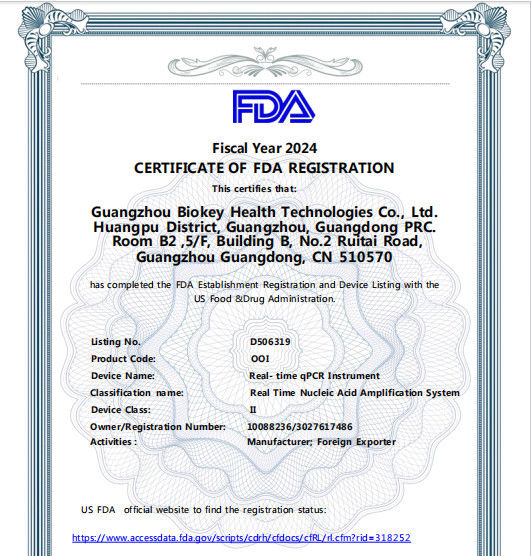
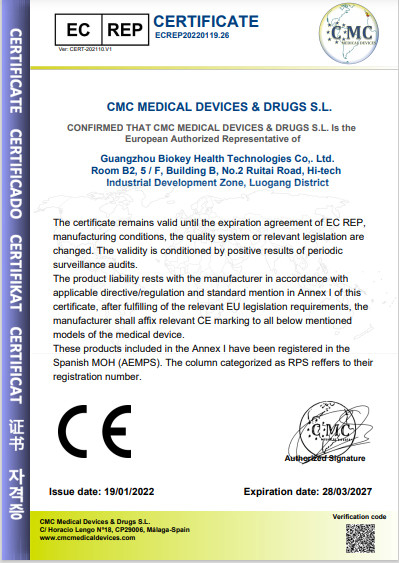
China Guangzhou BioKey Healthy Technology Co.Ltd certification
I'm Online Chat Now
Company Blog
Advances in RNA Analysis Techniques for Gene Expression Studies
Latest company news about Advances in RNA Analysis Techniques for Gene Expression Studies

In the pursuit of scientific discovery, researchers frequently encounter challenges in obtaining reliable gene expression data, often grappling with the complexities of RNA extraction, cDNA synthesis efficiency, and qPCR accuracy. This article presents a rigorous experimental workflow designed to deliver precise gene expression analysis.

I. Foundational Precision: Cryopreservation and High-Quality RNA Extraction

The cornerstone of accurate analysis lies in meticulous sample handling. RNA stability proves critical for downstream applications, necessitating stringent preservation protocols:

  • Flash-freezing protocol: Cell pellets undergo immediate dry ice immersion following collection, effectively inhibiting RNase activity and preserving RNA integrity through rapid cryopreservation.
  • Automated purification system: The Maxwell® RSC 48 platform with Simply RNA Cell Kit (Promega) replaces manual methods with magnetic bead-based automation, ensuring consistent, high-purity RNA extraction while minimizing contamination risks.
  • Spectrophotometric validation: Extracted RNA undergoes stringent quality assessment via NanoDrop instrumentation, with A260/A280 and A260/A230 ratios serving as critical purity indicators for protein and organic compound contamination.
II. Molecular Conversion: High-Efficiency cDNA Synthesis

The transition from labile RNA to stable cDNA represents a pivotal step in gene expression analysis:

  • High-capacity reverse transcription: The High-Capacity cDNA Reverse Transcription Kit (Thermo Fisher Scientific) processes up to 1 μg RNA input, maintaining sensitivity across varying transcript abundance levels.
  • Optimized reaction parameters: Carefully calibrated conditions including dNTP concentration, primer selection (random hexamers or oligo(dT)), and thermal cycling parameters maximize cDNA yield while minimizing degradation artifacts.
III. Quantitative Precision: TaqMan® qPCR Analysis

TaqMan® chemistry provides the gold standard for gene expression quantification through its dual-specificity mechanism:

  • Sequence-specific detection: Pre-validated TaqMan® Gene Expression Assays combine target-specific primers with fluorogenic probes, enabling real-time quantification through 5' nuclease activity during PCR amplification.
  • Reaction consistency: TaqMan® Master Mix provides optimized buffer conditions and enzyme activity, ensuring reproducible amplification kinetics across technical replicates.
  • Experimental controls: Each analysis incorporates negative reverse transcription (-RT) controls to detect genomic DNA contamination and normalizes to endogenous reference genes (e.g., GAPDH) to account for technical variability.
  • Quantitative framework: The ΔΔCt method calculates relative expression changes, with QuantStudio 6 Flex instrumentation (Applied Biosystems) providing precise fluorescence detection for reliable Ct value determination.
IV. Data Interpretation: Normalization and Biological Relevance

Final expression values represent normalized fold-changes relative to control conditions, enabling precise quantification of transcriptional regulation. This standardized approach facilitates cross-experiment comparisons and provides robust datasets for investigating gene function, pathway analysis, and disease mechanisms.

The presented workflow from RNA stabilization through quantitative PCR represents an optimized pipeline for gene expression studies, combining technical rigor with analytical precision to support reproducible scientific discovery.

Pub Time : 2026-07-04 00:00:00 >> Blog list
Contact Details
Guangzhou BioKey Healthy Technology Co.Ltd

Contact Person: Ms. Lisa

Send your inquiry directly to us (0 / 3000)